
Older dogs
Caring for an older dog
Just like us, dogs tend to slow down as they age, and they can be more prone to conditions such as arthritis and cognitive decline, sometimes called "doggy dementia". The good news is there's plenty we can do to support them into their twilight years.

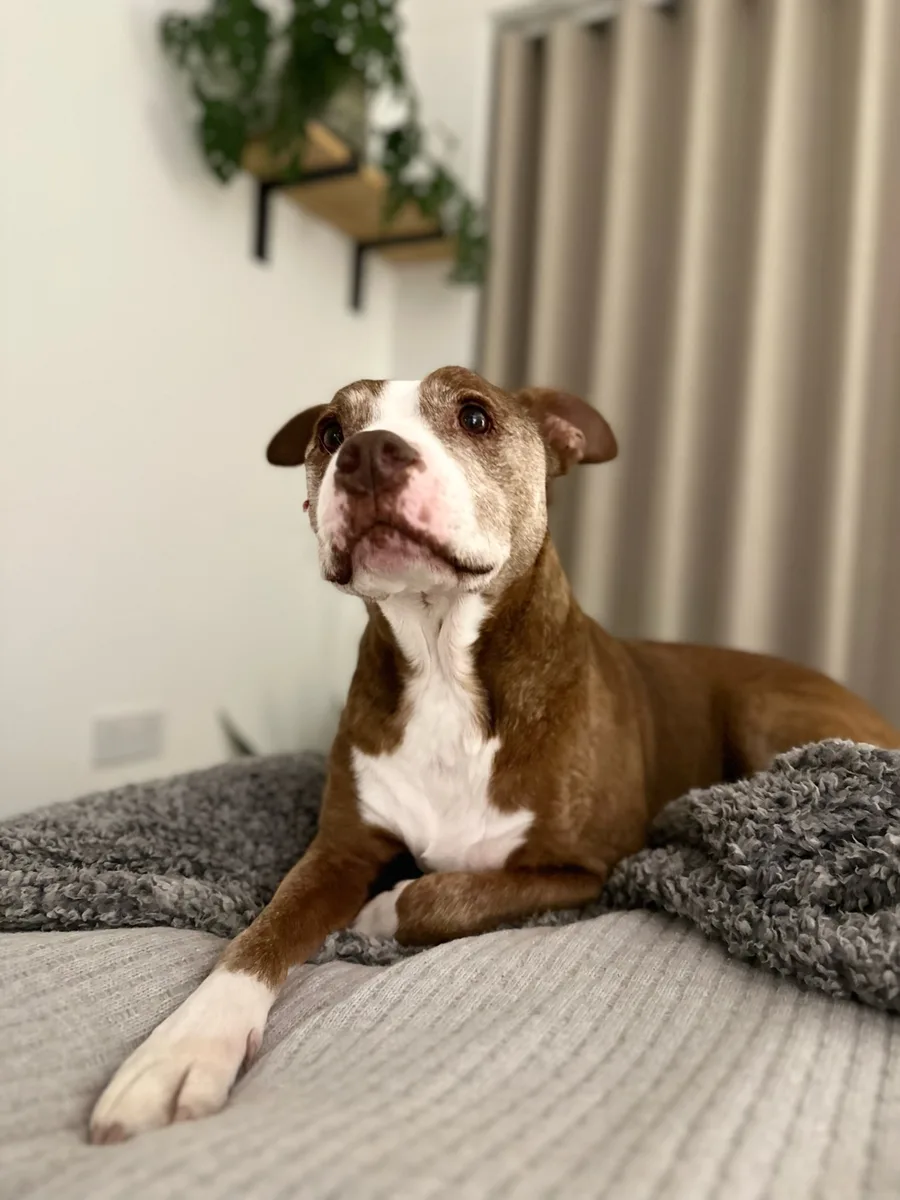
The age a dog is considered older varies between breeds. Small breeds may not show signs of ageing until they're 12 or older, whereas giant breeds can start to slow down from around 6.
Signs of ageing
These vary from dog to dog, and may include:
- Sleeping more
- Stiffness in the mornings and slowing down on walks
- Seeming disorientated or confused
- Changes in appetite
- Accidents in the house
- Less energy
How to feed an older dog
Your dog's appetite may change as they get older. They may start to prefer softer food, especially if they have dental disease or a sore mouth, and small meals little and often rather than one or two large meals a day.
Staying a healthy weight matters more than ever. It takes pressure off the joints and lowers the risk of many diseases. If your dog is hard to keep at their ideal weight, a senior diet may help. You should be able to feel their ribs with light pressure, and see a tuck in at the waist.
Mobility
It's normal for dogs to slow down as they age. Often this is down to arthritis, where the joint gradually wears and becomes inflamed.
Other ways to help your older dog:
- A well-padded bed, such as an orthopaedic bed
- Steps or a ramp to get into the car
- Little and often exercise, rather than one long walk a day
- A chat with your vet about whether they need pain relief or other medication
- Rugs on hard floors to stop slipping
- Gentle grooming, taking care not to pull on the legs or paws
- Regular nail clipping, as shorter walks mean nails wear down less
- Toys and puzzle feeders to keep their mind active
- A coat for walks in cold or wet weather
- Extra blankets at home in winter
Cognitive decline
Many dogs experience some decline in brain function as they age. You might notice:
- Needing to go out to the toilet more often, or accidents in the house
- Reduced hearing
- Reduced vision
- Confusion and disorientation
- Barking for no obvious reason
- Disturbed sleep
Small changes at home help too:
- Keep furniture in the same place
- Stick to a regular routine
- Give them a quiet, comfortable place to rest
- Take them out to the toilet more often
- Try other ways to communicate, such as hand signals or touch
General care
Your older dog may need a little extra help keeping their coat in good condition. Regular grooming helps, and it also boosts blood flow to the muscles and skin.
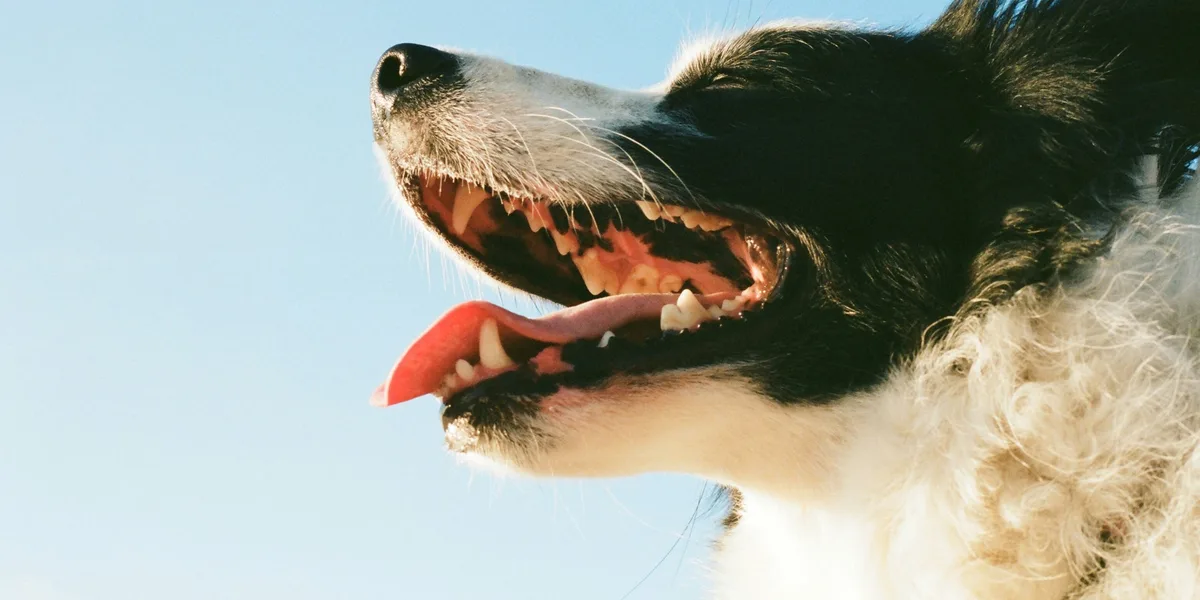
Dogs can develop dental disease at any age, but it's more common in older dogs. Regular tooth brushing and checking their teeth will help keep them healthy.
When to see your vet
As your dog gets older, it's a good idea to book more regular check-ups. Your vet can do an all-round health check and suggest any changes to their routine.
If you notice signs of illness, such as weight loss, drinking more or less than usual, vomiting or coughing, book a check-up with your vet.
With a little extra care, your dog can live a happy life well into their golden years.
Common questions
At what age is a dog considered old?
It depends on their size. Small breeds may not show signs of ageing until they're 12 or older, while giant breeds can start to slow down from around 6.
What are the signs of ageing in dogs?
Common signs include sleeping more, stiffness in the mornings, slowing down on walks, confusion, changes in appetite, accidents in the house and less energy.
How can I help my older dog with stiff joints?
Keep them a healthy weight, give them a well-padded bed, swap one long walk for shorter ones, add rugs on slippery floors, and ask your vet whether they need pain relief.